
A Buyer’s Guide to Hearing Aids: What to Know Before You Buy
Hearing loss is one of the most common — and most treatable — parts of aging, yet many people wait years before getting help. The good news: hearing aids are now smaller, smarter, and far more affordable than they used to be. Here’s what to know before you buy, so you get the right device without overpaying.
Signs it may be time for a hearing aid
Common signs include turning the TV up louder than others prefer, asking people to repeat themselves, struggling to follow conversations in noisy places, and feeling that people “mumble.” If any of these sound familiar, a hearing check is worth it — untreated hearing loss is linked to isolation and other health concerns.
Over-the-counter vs. prescription
Since 2022, over-the-counter (OTC) hearing aids have been available in the U.S. without a prescription or exam, for adults with mild to moderate hearing loss. They’re much cheaper — often a few hundred dollars — and you can buy them online or in stores. Prescription hearing aids, fitted by an audiologist, cost more but are essential for severe hearing loss or complex needs, and include professional tuning and follow-up care. If you’re unsure of your level of loss, start with a hearing test.
Common styles
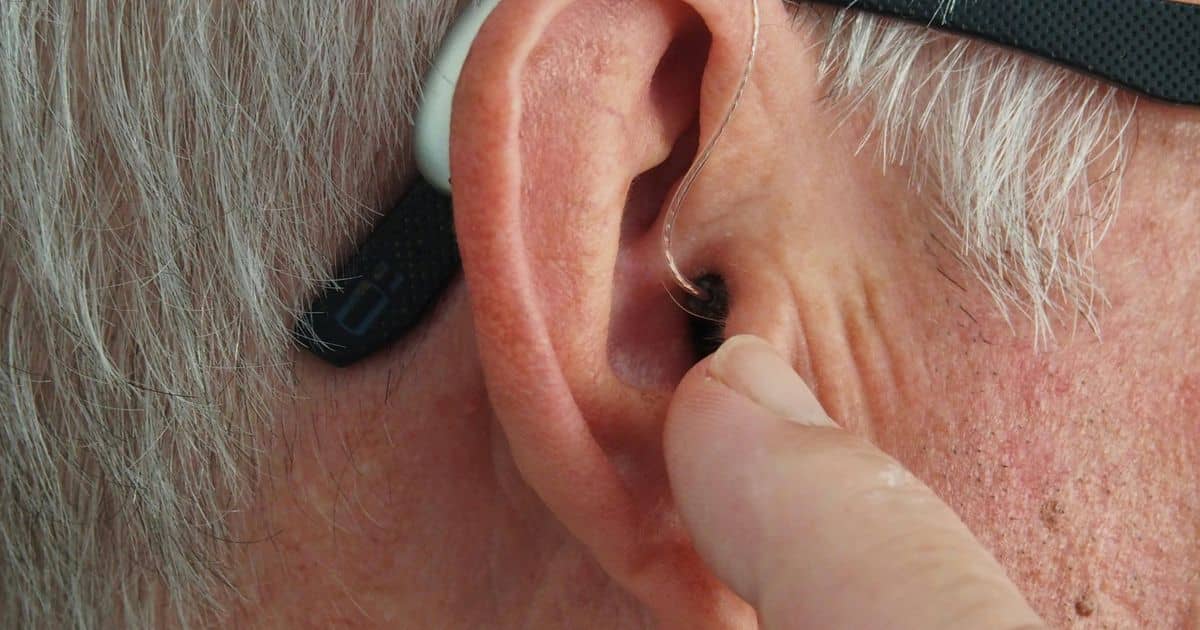
Behind-the-ear (BTE) and receiver-in-canal (RIC) models sit behind the ear and suit most people — easy to handle and powerful. In-the-ear (ITE) and in-the-canal styles sit in the ear and are more discreet, but the smaller size can be harder to handle for those with dexterity issues. Pick a style you can comfortably insert, adjust, and clean.
Features worth paying for
Rechargeable batteries save the hassle of tiny disposable ones. Noise reduction helps in restaurants and crowds. Bluetooth lets you stream phone calls and TV directly to your ears. Smartphone app control makes adjusting volume easy. Don’t pay for features you won’t use, but rechargeability and good noise handling are worth it for most people.
Cost and how to save
Prices range from a few hundred dollars for OTC devices to several thousand for premium prescription pairs. Original Medicare generally does not cover hearing aids, though some Medicare Advantage plans do — check your plan. Look for a trial period (many offer 30–45 days risk-free) and a clear return policy so you can make sure they work for you.
Before you buy: a quick checklist
Get a hearing test to know your level of loss. Confirm the trial period and return policy. Check whether professional support or tuning is included. Ask about warranty and what happens if a device is lost or damaged. And compare a few brands rather than buying the first one you see.
Compare the top brands
Ready to see specific options? We compared the leading hearing aids on price, features, and ease of use in our guide to the best hearing aids for seniors in 2026.
This article is for general information only and is not medical advice. See a hearing professional for a proper evaluation.