Aging in Place: 9 Home Upgrades That Support Independence
“Aging in place” means staying in your own home comfortably and independently as you get older. While safety matters, this guide focuses on a different goal: upgrades that make daily life easier and keep you doing things for yourself — from getting through the front door to cooking a meal. Here are nine worth considering, from simple swaps to bigger projects.
Focused on safety? This article is about accessibility and independence. For hazard-proofing your home against falls specifically, see our companion guide, how to prevent falls at home.
1. A step-free entrance
Steps at the door become harder over time and are a barrier if you ever use a walker or wheelchair. A gently graded ramp or a zero-threshold entry lets you come and go independently. Pair it with a covered landing and good lighting.
2. Wider doorways and lever handles
Standard doorways can be tight for walkers and wheelchairs. Widening key doorways to 32–36 inches makes the whole home more usable. Swapping round doorknobs for lever handles is a small, inexpensive change that’s far easier on arthritic hands.
3. A curbless (roll-in) shower
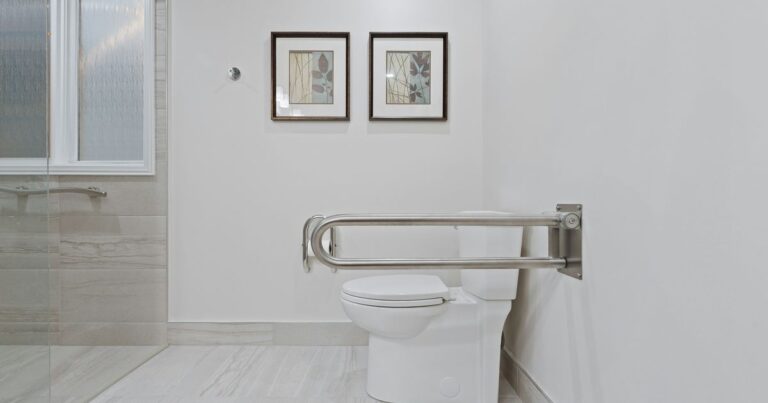
A curbless shower you can walk or roll straight into — with a built-in bench, handheld showerhead, and comfort-height fixtures — makes bathing independent and dignified. It’s one of the highest-value bathroom upgrades for aging in place. (Prefer a tub? See our guide to walk-in tubs.)
4. An accessible kitchen
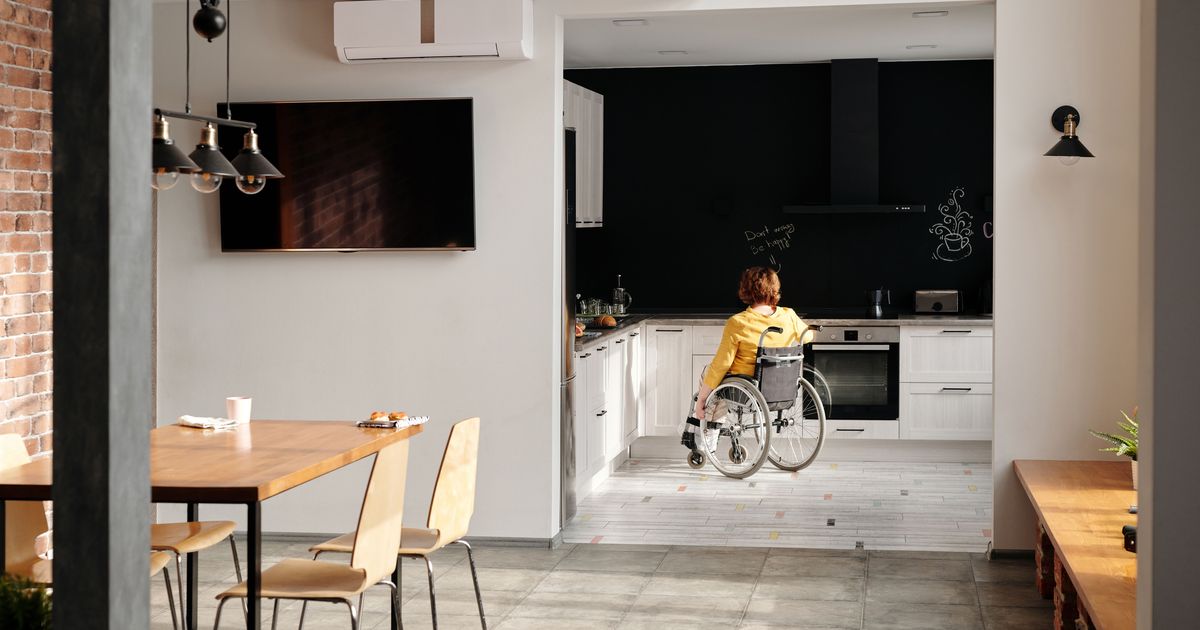
Small kitchen changes preserve independence: pull-down shelves and pull-out drawers bring items within reach, a side-opening or wall oven is safer than reaching over a hot door, D-shaped cabinet handles are easy to grip, and a seated prep area lets you cook without standing for long periods.
5. Single-floor living
If possible, arrange to have a bedroom, a full bathroom, the kitchen, and laundry all on the main floor. Living on one level removes the daily challenge of stairs and lets you stay independent even if climbing becomes difficult.
6. A stairlift or home lift (if stairs are unavoidable)
When single-floor living isn’t an option, a stairlift keeps upper floors accessible, and through-floor home lifts are available for bigger needs. These are larger investments, so get a professional assessment and multiple quotes.
7. Smart-home technology
Simple smart devices add real independence: a voice assistant to control lights, make calls, and set reminders hands-free; smart lighting and a smart thermostat you can adjust without getting up; and a video doorbell so you can see and speak to visitors from anywhere in the house.
8. Medication management
Managing several prescriptions gets complicated. Automatic pill dispensers that release the right dose at the right time, along with phone or smart-speaker reminders, help you stay on top of medications without relying on someone else.
9. Flooring made for mobility
Smooth, firm, low-pile flooring makes it easier to move with a cane, walker, or wheelchair, and reduces effort with every step. Avoid thick carpet and high transitions between rooms, which catch wheels and feet.
Where to start
Begin with low-cost, high-impact swaps — lever handles, a handheld showerhead, a voice assistant — then plan bigger projects like ramps or a curbless shower over time. An occupational therapist can assess your home and recommend what matters most for your situation. And for extra peace of mind living independently, consider a medical alert system so help is always within reach.
This article is for general information only and is not medical or professional advice. Consult qualified professionals before major home modifications.