How to Prevent Falls at Home: 9 Practical Steps for Older Adults
Falls are the leading cause of injury among adults over 65 — about 1 in 4 older adults falls each year. But falls are not an inevitable part of aging. Most are preventable, and the steps below are simple, proven ways to lower the risk for yourself or someone you love.
1. Remove tripping hazards
Walk through each room and clear away clutter, loose cords, and small rugs. Secure any rug that stays with double-sided tape or a non-slip pad. Most falls happen on level ground, not stairs — a clear floor is your first line of defense.
2. Brighten your lighting
Poor lighting hides hazards. Use brighter bulbs, add night lights along the path to the bathroom, and put lamps within reach of the bed and favorite chairs. Motion-sensor lights are ideal for hallways and stairs.
3. Add grab bars and handrails
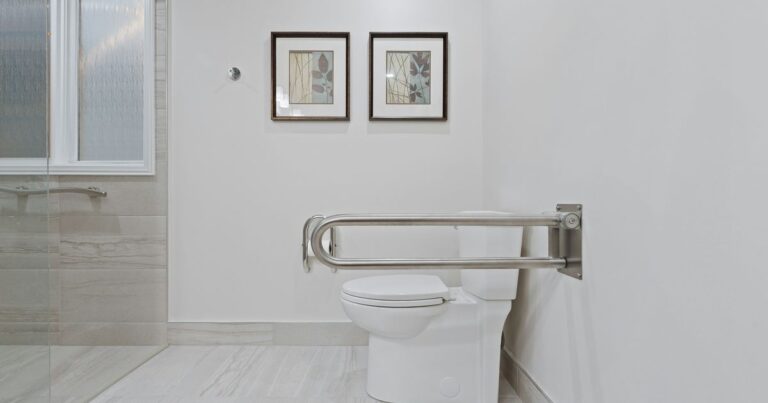
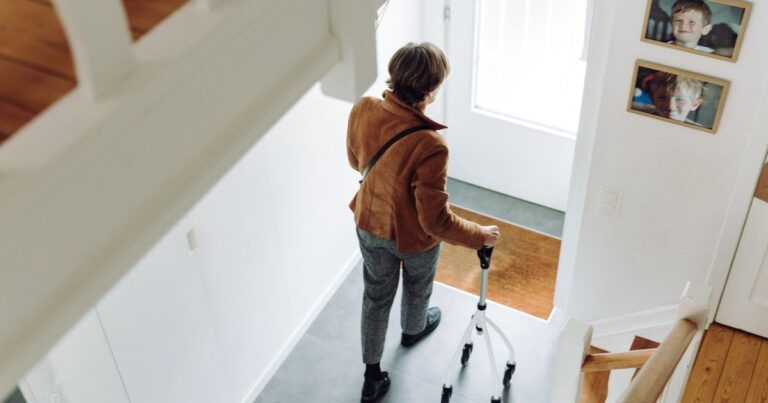
Install grab bars in the shower and beside the toilet, and make sure every staircase has a firm handrail — ideally on both sides. These give you something solid to hold in the spots where balance is hardest.
4. Wear safe footwear
Skip loose slippers and socks on smooth floors. Choose supportive, non-slip shoes with a firm sole — even indoors. Good footwear alone can meaningfully reduce falls.
5. Make the bathroom safer
Because wet surfaces are slippery, add a non-slip mat inside and outside the tub, use a shower chair if standing is tiring, and keep a nightlight on for late-night trips.
6. Keep moving to build strength and balance
Gentle, regular activity — walking, tai chi, or simple balance and leg-strength exercises — is one of the most effective ways to prevent falls. Ask a doctor or physical therapist for exercises suited to your ability.
7. Check your vision and hearing
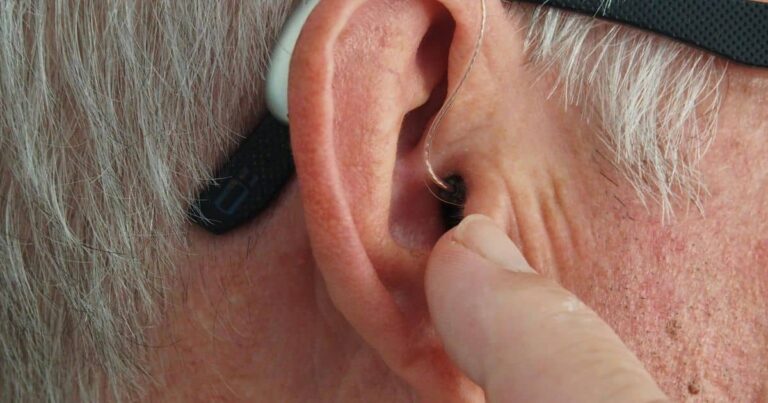
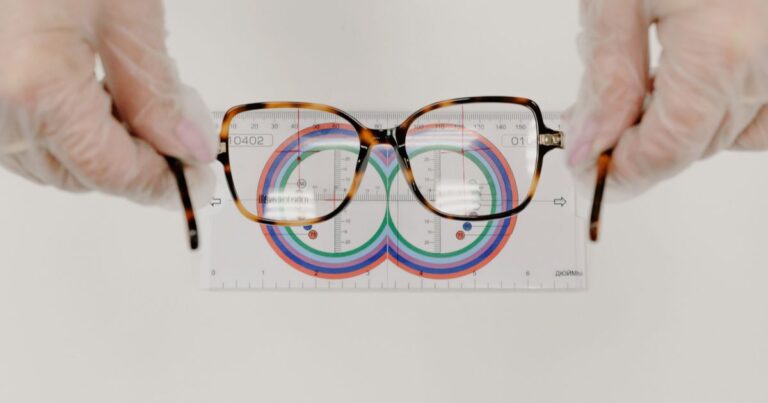
Have your eyes checked every year and keep glasses prescriptions current. Good hearing also helps with balance and awareness of your surroundings.
8. Review medications
Some medicines — and certain combinations — can cause dizziness or drowsiness. Ask your doctor or pharmacist to review everything you take, including over-the-counter drugs, for side effects that could affect balance.
9. Have a way to call for help
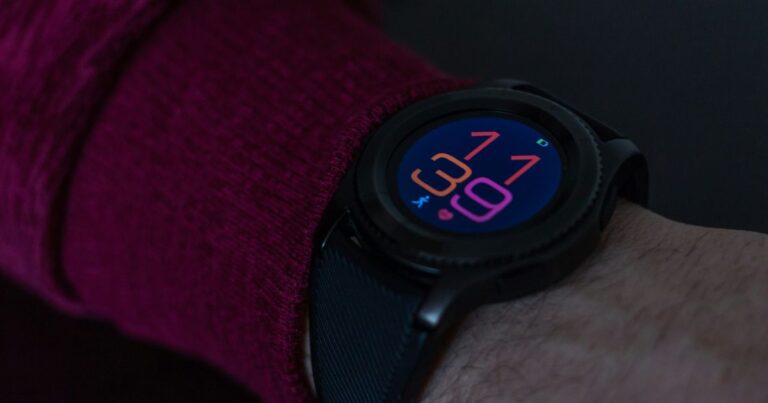
If a fall does happen, getting help quickly makes a big difference — especially for anyone who lives alone. A medical alert system can summon a 24/7 help center at the press of a button, and many offer automatic fall detection. To compare options, read our guide to the best medical alert systems for seniors.
Start today
Pick two or three steps from this list and act on them this week — clearing hazards and improving lighting are quick wins. A few small changes can keep you steady, confident, and independent at home.